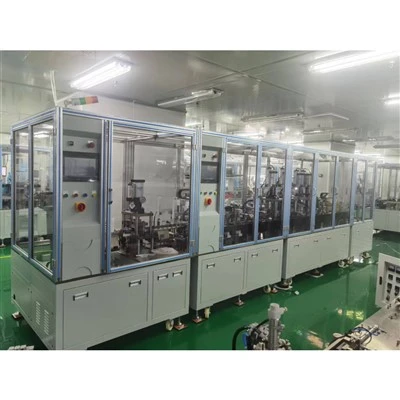
Bench-top riveting equipment is a versatile and essential tool in many manufacturing and DIY settings. It allows for the efficient joining of materials using rivets, which are permanent fasteners. As a supplier of riveting equipment, I understand the importance of safety when operating these machines. In this blog post, I will discuss the key safety precautions that should be taken when using bench-top riveting equipment. Riveting Equipment
Personal Protective Equipment (PPE)
One of the most fundamental safety measures when working with bench-top riveting equipment is wearing the appropriate personal protective equipment. This not only safeguards your body but also reduces the risk of serious injuries.
Safety Glasses
Safety glasses are a must-have. Riveting can cause small metal fragments to fly off during the process. These fragments can travel at high speeds and pose a significant risk to your eyes. A single piece of flying debris can cause eye irritation, scratches, or even permanent damage. Make sure the safety glasses you choose are ANSI Z87.1 compliant, which means they meet the American National Standards Institute’s requirements for impact resistance.
Gloves
Wearing gloves is essential to protect your hands from sharp edges on the materials being riveted and from potential burns. When selecting gloves, opt for ones that offer a good balance of dexterity and protection. Leather or synthetic gloves with reinforced palms and fingers are a great choice as they can withstand the rigors of riveting work. However, be cautious as loose-fitting gloves can get caught in the equipment, so ensure they fit properly.
Ear Protection
The noise generated by bench-top riveting equipment can be quite loud, and prolonged exposure to high noise levels can lead to hearing loss. Earplugs or earmuffs are effective ways to reduce the noise reaching your ears. Earplugs are convenient and can be easily inserted into the ear canal, while earmuffs provide a more comprehensive and comfortable solution, especially for long working hours.
Dust Mask
If you are working with materials that produce dust or fumes during the riveting process, such as some plastics or composites, wearing a dust mask is crucial. It helps prevent the inhalation of harmful particles, which can cause respiratory problems over time. Choose a mask that is suitable for the type of dust or fumes you are exposed to, and make sure it fits tightly around your face.
Machine Inspection and Maintenance
Regular inspection and maintenance of your bench-top riveting equipment are vital to ensure its safe and efficient operation.
Pre-Operational Inspection
Before starting the riveting process, conduct a thorough pre-operational inspection. Check for any loose parts, such as bolts or screws, and make sure they are tightened properly. Inspect the riveting head for any signs of damage or wear, as a worn-out head can affect the quality of the riveting and may lead to accidents. Check the electrical cord for any cuts or frays, and if you notice any issues, do not use the equipment and have it repaired immediately.
Lubrication
Proper lubrication is essential to keep the moving parts of the riveting equipment working smoothly. Follow the manufacturer’s recommendations for lubrication intervals and use the recommended lubricants. Lack of lubrication can cause excessive friction, which not only reduces the efficiency of the machine but also increases the risk of overheating and mechanical failure.
Calibration
Regular calibration of the riveting equipment is necessary to ensure accurate and consistent riveting results. Incorrect calibration can lead to improper rivet installation, which may compromise the integrity of the joined materials. Follow the manufacturer’s instructions for calibration procedures and perform them at the recommended intervals.
Workspace Safety
Creating a safe workspace is just as important as wearing the right PPE and maintaining the equipment.
Clean and Organized Workspace
Keep your workspace clean and organized. Remove any clutter, tools, or debris that could pose a tripping hazard. A clean workspace also makes it easier to locate tools and materials, reducing the risk of distractions and accidents.
Adequate Lighting
Ensure that your workspace is well-lit. Good lighting allows you to see the riveting area clearly, reducing the risk of errors and increasing your overall safety. Use task lighting if necessary to illuminate the specific area where you are working.
Stable Workbench
The workbench on which you place the riveting equipment should be stable and sturdy. A wobbly workbench can cause the equipment to move during operation, leading to inaccurate riveting and potential accidents. Make sure the workbench is level and can support the weight of the equipment and the materials being riveted.
Operating Procedures
Following the correct operating procedures is crucial for the safe use of bench-top riveting equipment.
Read the Manual
Before using the riveting equipment, carefully read the user manual provided by the manufacturer. The manual contains important information about the equipment’s operation, maintenance, and safety precautions. It will also provide specific instructions on how to load rivets, adjust the settings, and perform other tasks.
Proper Rivet Selection
Select the appropriate rivets for the materials you are working with. Using the wrong type or size of rivets can lead to weak joints, poor riveting results, and potential safety hazards. Refer to the manufacturer’s guidelines or consult with a professional if you are unsure which rivets to use.
Positioning of Materials
Position the materials to be riveted correctly on the workbench. Make sure they are securely held in place to prevent movement during the riveting process. Use clamps or fixtures if necessary to ensure stability. Incorrect positioning of materials can cause the rivets to be installed at the wrong angle or location, leading to a weak joint.
Do Not Overload the Equipment
Do not exceed the recommended capacity of the riveting equipment. Overloading the machine can cause it to malfunction, overheat, or even break down. Refer to the manufacturer’s specifications for the maximum rivet size, material thickness, and other operating limits.
Do Not Leave the Equipment Unattended
Never leave the riveting equipment running unattended. If you need to step away for any reason, turn off the equipment and unplug it from the power source. This helps prevent accidents and ensures the safety of others in the workspace.
Training and Education
Proper training and education are essential for anyone using bench-top riveting equipment.
Training Programs
Provide comprehensive training programs for your employees or anyone who will be using the riveting equipment. The training should cover all aspects of the equipment’s operation, safety precautions, and maintenance. Include hands-on training sessions to allow users to practice the skills they have learned.
Continuous Learning
Encourage continuous learning and improvement. Stay updated on the latest safety standards and best practices in riveting technology. Provide your employees with access to industry resources, such as safety manuals, online courses, and training seminars.
Emergency Preparedness
Despite taking all the necessary safety precautions, accidents can still happen. It is important to be prepared for emergencies.
First Aid Kit
Have a well-stocked first aid kit readily available in the workspace. Train your employees on how to use the first aid kit and what to do in case of an injury. Make sure the first aid kit is regularly checked and replenished.
Emergency Stop Button
Familiarize yourself and your employees with the location of the emergency stop button on the riveting equipment. In case of an emergency, such as a mechanical failure or an injury, immediately press the emergency stop button to stop the machine.
Evacuation Plan
Develop an evacuation plan for the workspace in case of a fire or other emergencies. Make sure all employees are aware of the evacuation routes and procedures. Conduct regular evacuation drills to ensure that everyone knows what to do in an emergency situation.
Conclusion
Front Assembly Riveting Production Line Safety should always be the top priority when using bench-top riveting equipment. By following the safety precautions outlined in this blog post, you can significantly reduce the risk of accidents and injuries in the workplace. As a supplier of riveting equipment, I am committed to providing high-quality products and ensuring the safety of our customers. If you are in the market for bench-top riveting equipment or have any questions about safety in riveting operations, I encourage you to contact me for a detailed discussion. Let’s work together to create a safe and efficient working environment.
References
- Occupational Safety and Health Administration (OSHA). General Industry Safety Standards.
- American National Standards Institute (ANSI). Z87.1 – Occupational and Educational Personal Eye and Face Protection Devices.
- Manufacturer’s User Manuals for Riveting Equipment.
Yangning (Xiamen) Intelligent Technology Co., Ltd.
With abundant experience, we are one of the most professional riveting equipment manufacturers in China. As we have world-leading production equipment and strong manufacturing capabilities, we warmly welcome you to buy bulk advanced riveting equipment from our factory. Customized orders are welcome.
Address: Room 307-2, No. 15 Duiying Road, Software Park Phase III, Torch Hi-Tech Zone, Xiamen, Fujian, China
E-mail: mia@ynautos.com
WebSite: https://www.ynautos.com/
