When I started working as a skid-mounted refueling unit supplier three years ago, one of the most frequent questions I get from warehouse managers and fleet supervisors is: “Can I use your units to refuel forklifts?” At first, I expected pushback — some folks still think skid-mounted systems are only for big rigs or construction equipment. But after hundreds of conversations, I’ve learned this question comes from a real need: forklifts are the workhorses of warehouses, distribution centers, and manufacturing yards, and their refueling needs are often messy, inconsistent, and hard to coordinate with traditional fueling setups. Today, I want to break down exactly how our skid-mounted refueling units work for forklifts, why they’re a better choice than many options people are used to, and what makes this setup safe and practical for your operations. Skid-mounted Refueling Unit

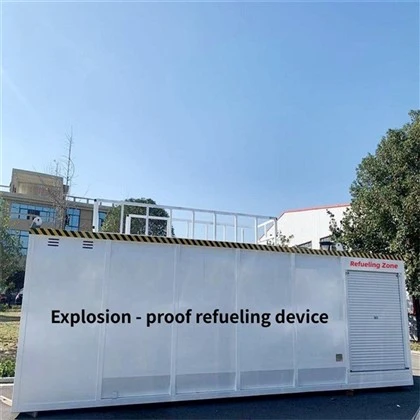
First, let’s get clear on what we’re talking about. A skid-mounted refueling unit is a pre-assembled, self-contained system that sits on a steel frame (the “skid”) and includes a fuel tank, a pump, a dispensing hose, a nozzle, and all the necessary safety components — like fire suppression systems, overfill protection, and grounded wiring. No installation, no digging up concrete, no complicated permits beyond standard local fuel storage regulations. Forklifts, depending on their type, run on diesel, propane, or even electricity (though most internal combustion forklifts still rely on liquid fuels). The key isn’t just “can we connect a hose to a forklift’s fuel tank” — it’s whether the system matches the unique demands of fleet fueling for these small, frequent-moving vehicles.
Let’s start with the practical side: how forklift fueling actually works in most warehouses right now. I’ve walked through dozens of facilities where they rely on two setups. Some have a permanent fuel station at the edge of the yard, which means forklift operators have to drive 10 or 15 minutes out of their route to refuel. For a forklift that’s supposed to move pallets all day, that lost time adds up. I once worked with a distribution center that calculated their operators spent 12 hours a week total driving to the main fuel station — that’s two full workdays a month just on refueling. The other common setup is portable gas cans stored around the facility, with operators carrying jugs of fuel to top off forklifts. That’s even worse: not only is it slow, but it’s a major safety hazard. Spilled diesel on warehouse floors leads to slips, falls, and fire risks; improper storage of fuel cans violates OSHA standards more often than you’d think.
This is where skid-mounted refueling units shine. We can place a unit right in the middle of your warehouse’s operational zones — near the loading docks, the storage bays, or the forklift charging/processing area — instead of forcing operators to travel. No more detours, no more hauling heavy fuel cans. For a typical fleet of 20 to 50 forklifts, that time savings alone can add up to thousands of dollars a year in labor costs, not to mention keeping your operators focused on the work that actually keeps your business running.
But wait, someone will say: “Forklifts run on different fuels — diesel, propane, even sometimes gasoline. Can your skid units handle that?” The short answer is yes, because we design each unit to match the specific fuel your forklifts use. Our diesel skid units are equipped with UL-listed diesel storage tanks (available in sizes from 500 to 3,000 gallons, depending on your fleet) and a high-flow pump that’s calibrated for fast, precise dispensing — so you can top off a forklift in under two minutes, no waiting. For propane forklifts, we even have dual-purpose skid units that can store both diesel and propane cylinders, with separate dispensing stations so you don’t have to juggle multiple systems. That flexibility is a big one for facilities that mix fuel types for different forklift models — many companies don’t realize their old permanent stations can’t adapt to that as easily.
Now, the part that matters most to every manager: safety. I get it — fuel storage anywhere near active forklift traffic sounds risky. But our skid-mounted units are built to meet strict industry standards, including NFPA 30 (the code for flammable and combustible liquids) and OSHA’s fuel storage requirements. Let’s go through the safety features that make this work for forklift-heavy environments. First, all our units have static grounding cables that connect directly to the forklift during refueling, eliminating the risk of static sparks — that’s a critical detail when you’re refueling moving vehicles in enclosed spaces. We also install overfill prevention systems that shut off the pump automatically when the forklift’s fuel tank is full, a huge step up from manual fuel cans where it’s easy to spill a gallon or more. For facilities with ventilation concerns, our diesel units come with vapor recovery systems that capture any fuel fumes, so you don’t have to worry about buildup in closed warehouses or storage areas.
I’ll be honest, early on I had a customer who was nervous about putting a skid unit in the middle of their 24/7 warehouse operations. They told me forklifts were always zipping around, and the last thing they wanted was another obstacle. But after we placed a 1,000-gallon unit near their main forklift staging area, they found it actually reduced collisions — because instead of forklifts veering off to the distant fuel station, they refueled in a designated, marked spot right where they stopped for breaks. We also added physical bollards around the skid unit, so even if a forklift drifts, it won’t hit the tank or pump. That customer now has three skid units for different zones of their facility, and they tell me their refuel-related incidents dropped to zero in the first year.
Another common misconception: skid units are only for large fleets, so if you have 5 or 10 forklifts, they’re not worth it. But I’ve worked with small warehouses and even small manufacturing yards that see big returns. Let’s do a quick math check. Suppose you have 10 forklifts, each refueled twice a week, with each refuel taking 10 minutes (including driving to the off-site station). That’s 200 minutes a week of lost labor — almost 3.5 hours. At an average forklift operator wage of $18 an hour, that’s $63 a week, or $3,276 a year. Our entry-level skid unit, which fits 500 gallons of diesel and is easy to move if your operations expand, costs a fraction of that amount over its lifespan. And you don’t have to stop at a single unit, either — you can place smaller, more compact skid units in multiple spots if your facility is spread out, so every forklift has a refuel spot within two minutes of their work area.
Now, let’s talk about the logistics of setting this up, because I know you’re thinking about downtime and permits. When a customer orders a skid-mounted refueling unit from us, here’s what the process looks like: first, we do a free on-site assessment to figure out the best location, the right tank size, and the fuel type they need. Then, we deliver the fully assembled, tested unit — no complicated installation, no waiting for concrete to cure, no contractors coming in to dig. All you need is a level concrete pad (we can even help you arrange that if needed) and a power source for the pump. Most units are installed and operational in less than a week, so you’re not losing any production time. As for permits, we provide all the documentation needed for local fire marshal and OSHA inspections — we’ve been doing this long enough to know the requirements in most regions, so we take the paperwork off your plate.
I should also mention the maintenance side, because a refueling unit that breaks down is just as bad as no refueling unit. Our skid units are built with durable, industrial-grade pumps and hoses that stand up to the rough use forklifts put on things around the yard. We offer regular maintenance packages where we come out every 6 months to inspect the pump, test the safety systems, and replace any worn parts — so you don’t have to be a fueling expert to keep it running. And if something does go wrong, we have a 24/7 support line, so you can get a technician out to your facility in less than 48 hours, no matter where you’re located.
Still not convinced? Let me share a recent example that sticks with me. Last year, I worked with a third-party logistics provider in the Midwest that was dealing with a fleet of 35 diesel forklifts. Their old setup was a 10-year-old permanent fuel station at the back of the yard, and operators were losing an average of 15 hours a week to refueling, plus they were dealing with 2-3 small spills a month that required cleanup and safety reports. They tried portable fuel cans to cut down on time, but that led to even more spills and a warning from OSHA for improper fuel storage. We installed two 1,500-gallon skid units in their main warehouse staging and cross-dock areas. Six months later, they told me their refueling-related downtime was cut by 80%, their spill incidents were down to zero, and they had no new OSHA violations. That’s the kind of result that makes this work for forklift operations.
Of course, there are a few things to keep in mind when considering a skid unit for your forklifts. First, if you’re using fully electric forklifts, a skid-mounted refueling system for electric power isn’t what we specialize in — we focus on internal combustion forklifts. Second, if your facility has very strict limits on fuel storage capacity (like a city with tight zoning rules), we can build smaller, compact skid units that meet those limits without sacrificing safety or functionality. And finally, you’ll want to make sure your forklifts have the proper nozzles to connect to our dispensing hoses — we provide adapter kits for most common forklift models, so you don’t have to modify your equipment.
At the end of the day, the question “Can a skid-mounted refueling unit be used for refueling forklifts?” isn’t just a yes or no answer — it’s about whether the setup solves your specific problems. For most facilities, the answer is a resounding yes: it cuts down on operator downtime, reduces safety risks from spills and travel, adapts to multiple fuel types, and is much faster to install and use than traditional fuel stations.
If you’re tired of your forklift operators wasting time driving to remote fuel spots, dealing with messy fuel cans, or worrying about safety, I’d encourage you to reach out to talk through your needs. We can help you design a system that fits your facility, your fleet size, and your budget — no pressure, no hard sell, just honest advice based on years of working with forklift operators and warehouse managers.
Double-walled Tank References
- National Fire Protection Association (NFPA). (2021). NFPA 30: Flammable and Combustible Liquids Code.
- Occupational Safety and Health Administration (OSHA). (2022). Fuel Storage and Handling for General Industry.
- Material Handling Industry (MHI). (2023). Forklift Fleet Efficiency: Optimizing Fueling and Maintenance Practices.
- U.S. Environmental Protection Agency (EPA). (2022). Vapor Recovery Systems for On-Site Diesel Fuel Storage.
Shandong Jingcai Industry and Trade Co., Ltd.
As one of the most professional skid-mounted refueling unit manufacturers and suppliers in China, we also support customized service. With abundant experience, we warmly welcome you to wholesale high quality skid-mounted refueling unit in stock here from our factory. Contact us for free sample.
Address: Caojiazhuang Village Industrial Park, Lingcheng Town, Qufu City, Jining City, Shandong Province.
E-mail: shandongjingcai888@gmail.com
WebSite: https://www.sdjingcaicn.com/
