As the owner of a small, family-run industrial woven bags supplier based in the Midwest, I get asked this question at least twice a week by new and prospective customers: Can industrial woven bags be used in the shipping industry? It’s a fair question—most people associate woven polypropylene (PP) bags with holding construction sand, agricultural seed, or factory scrap, not with moving goods across oceans or continents via cargo ship. But over the past 12 years in this business, I’ve watched our woven bags go from being a afterthought in shipping logistics to a go-to packaging solution for dozens of clients in the maritime and freight industries. Today, I want to pull back the curtain on how and why our woven bags are a workhorse for shipping, not just one of those “other” packaging options. Industrial Woven Bags
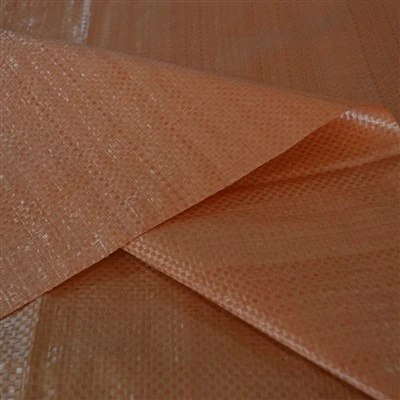
Let’s start with the basics to ground this. Industrial woven bags (also called FIBCs, bulk bags, or super sacks for large loads, and smaller open-top or closed-top woven bags for unitized or palletized loads) are made from interwoven polypropylene fibers, treated with additives for UV resistance, moisture barrier, and static control in many cases. Shipping, on the other hand, has a unique set of constraints: goods sit in unconditioned cargo holds for weeks at a time, are stacked 10 or more feet high on vessels, get loaded and unloaded via cranes, conveyors, or forklifts, and are often exposed to salt air, rain, extreme temperature swings, and rough handling at ports. For years, companies in shipping relied on multi-wall paper bags, plastic drums, or crates for moving bulk goods, but those have real drawbacks that woven PP bags solve.
First, let’s talk about durability in the harsh shipping environment. I’ll never forget the first time a client from a mid-sized agricultural export firm brought us a batch of torn paper bags that had arrived in Shanghai from a port in Savannah. The shipment was non-GMO corn seed, and 12% of the bags had split open during the cross-Atlantic voyage—seed spilled into the cargo hold, got contaminated with salt water, and the entire shipment was rejected at the port, costing the farm over $80,000 in lost product and demurrage fees. That’s when we realized our woven bags were not just a lighter alternative, they were a protective one tailored to shipping’s worst conditions. Woven PP has a tensile strength 3 to 5 times higher than multi-wall paper, meaning it can bear the weight of stacked cargo, resist tears from sharp cargo edges, and flex with the movement of a rocking ship without splitting. For bulk shipments of minerals, grains, chemicals, or construction materials that make up 70% of general cargo volume on container ships, that durability isn’t a nice-to-have—it’s non-negotiable.
Salt air is another big pain point in shipping. Unconditioned cargo holds are often humid, and salt is highly corrosive. Paper and even some thin plastic bags will break down or absorb moisture in that environment, leading to caking, contamination, or spoilage. Our woven PP bags can be manufactured with a liner, either a low-density polyethylene (LDPE) or linear low-density polyethylene (LLDPE) liner, that is heat-sealed to the inside of the woven body, creating a moisture barrier that keeps goods dry even if a bag gets a tiny puncture from a sharp nail or piece of metal in the cargo hold. We recently supplied 50,000 bulk woven bags to a company shipping recycled metal flakes from Detroit to Rotterdam; the liner-treated bags eliminated the rust and moisture damage that had plagued their previous shipments in plastic drums, cutting their per-unit packaging and damage costs by 22% in six months. That’s the kind of real, measurable value that makes woven bags work for shipping, not just a marketing line.
Another often-overlooked factor in shipping is unitization and space efficiency. Container ships charge by volume and weight, so every inch of space and every pound of cargo matters. Woven bags weigh 50 to 70% less than multi-wall paper bags or plastic drums, which means more cargo can fit into a standard 20-foot or 40-foot container without exceeding weight limits, and fuel costs for the voyage go down. For reference, a standard 1-ton bulk woven bag weighs just 1.2 pounds, compared to 8 pounds for a steel drum that holds the same volume of resin pellets. That weight savings translates to nearly $1,200 in fuel costs per 20-foot container when shipping from the U.S. to East Asia, per data from the International Maritime Organization (IMO). Woven bags also nest tightly when empty, taking up 10% of the space of empty drums or paper bags, which cuts down on return shipping or warehouse storage costs for empty packaging—a huge plus for companies that ship outbound bulk goods and then return empty packaging for reuse or recycling.
Now, let’s address the caveats, because I’m not here to sell something that doesn’t work for every shipping scenario. Not all woven bags are equal, and a bag that works for storing fertilizer in a warehouse won’t work for shipping sensitive electronics or hazardous materials. UV treatment is critical for any shipment that will spend more than 7 days in an outdoor port or exposed deck space; standard woven PP breaks down after about 100 hours of direct sunlight, but our UV-stabilized woven bags can withstand up to 1,000 hours of exposure, which covers even the longest ocean voyages. For hazardous materials, woven bags can be manufactured with static-dissipative fibers to prevent sparks that could ignite flammable powders, meeting UN and IMDG (International Maritime Dangerous Goods) regulations—something many packaging suppliers don’t offer, but which is a must for shipping chemical and plastic resin cargo.
We’ve also had to adapt our products to modern shipping trends, like the rise of intermodal freight and e-commerce bulk shipping, which has shifted demand for smaller, more flexible woven bags beyond just bulk FIBCs. For example, we make 50-pound woven bags for palletized shipments of pet food, which stack neatly on wooden pallets and resist tearing during the cross-country leg of a trip that starts at a factory in Iowa, goes by truck to the Port of Los Angeles, and then by ship to a retail distributor in Singapore. Those bags have the added benefit of being 100% recyclable, which is a big selling point for global brands that are under pressure to reduce plastic waste in their supply chains. A 2022 survey by the World Shipping Council found that 68% of cargo owners now prioritize packaging materials that are recyclable or reusable, and woven bags rank highest in that category among bulk packaging options, with a 92% reuse rate for FIBCs that are not damaged during shipping.
I think part of the reason this question still comes up so often is that the shipping industry is slow to adopt new packaging solutions, and many old-school port managers and logistics directors still rely on the packaging they used 20 or 30 years ago. But we’ve seen a steady shift over the past decade, especially as small and medium-sized exporters move away from expensive, wasteful packaging that leads to damaged goods and missed delivery deadlines. Last year, we secured a contract with a coffee roaster in Colombia that ships green coffee beans to the U.S. and Europe; they were previously using jute bags, which are heavy, prone to mold in humid cargo holds, and have to be thrown away after one use. Our 132-pound woven bags with a food-grade liner cut their packaging costs by 40%, reduced damage from mold and tears by 95%, and the bags can be reused up to 5 times for domestic distribution after their ocean voyage. That’s the kind of win-win that makes woven bags a smart choice for shipping, not just a gimmick.
Of course, there are still scenarios where woven bags aren’t the best fit. If you’re shipping very fragile goods like glass bottles or high-value electronics that need individual cushioning, you’ll still need specialized packaging like foam or crates. But for the 80% of general cargo that moves in bulk—grains, minerals, chemicals, plastics, agricultural products, construction materials—industrial woven bags are a proven, cost-effective, and durable solution that meets the strict demands of ocean shipping. If you’re dealing with damaged shipments, high packaging costs, or space inefficiencies in your supply chain that crosses international waters, it’s worth taking a close look at how woven bags can solve those problems.
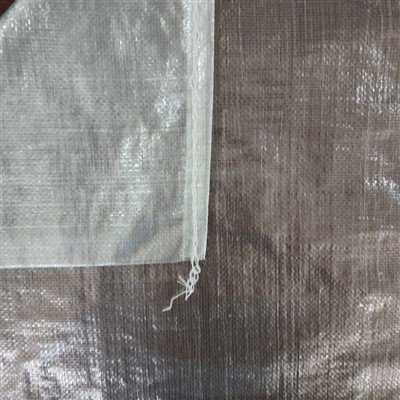
At the end of the day, we don’t just make woven bags—we work with shipping companies and exporters to design packaging that works for their specific cargo and voyage requirements. Whether you need bulk FIBCs for 2-ton mineral shipments, small woven bags for palletized retail goods, or specialized bags that meet hazardous material regulations for chemical shipping, we can customize a solution that fits. If you’re tired of dealing with torn, contaminated, or overpriced packaging for your ocean shipments, I’d encourage you to reach out so we can walk through your needs and show you how our woven bags can improve your shipping operations.
Functional Woven Packaging Bags Reference:
World Shipping Council. (2022). Annual Supply Chain Packaging and Efficiency Report.
International Maritime Organization. (2021). Bulk Cargo Packaging Standards and Fuel Efficiency Guidelines.
National Institute of Packaging Sciences. (2023). Industrial Packaging Durability for Intermodal Shipping.
Jining Shunxing Plastics Co., Ltd.
Jining Shunxing Plastics Co., Ltd. is one of the most professional industrial woven bags manufacturers and suppliers in China, featured by quality products and low price. Welcome to buy discount industrial woven bags in stock here and get pricelist from our factory. We also accept customized orders.
Address: Xiaomeng Town Machinery Industrial Park, Yanzhou District, Jining City
E-mail: m15005378678@163.com
WebSite: https://www.sxwovenbag.com/
