What are the requirements for the foundation of a Gantry Machining Center?
Hey there! I’m a supplier of gantry machining centers, and today I wanna chat about the requirements for the foundation of these bad – boys. A gantry machining center is a powerful piece of equipment, and having a proper foundation is crucial for its performance, longevity, and safety. Gantry Machining Center
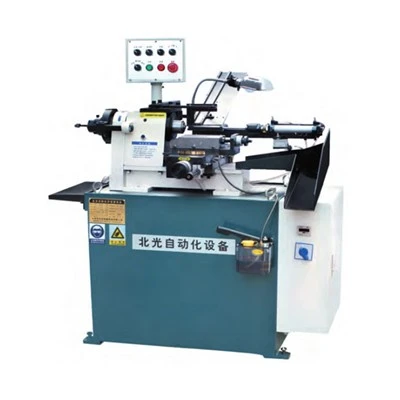
1. Geotechnical Investigation
First things first, before you even think about installing a gantry machining center, you need to do a geotechnical investigation. This is like getting to know the "personality" of the ground where you’re gonna put your machine. You can’t just plop it down on any old patch of land.
The soil properties play a huge role. You gotta know if the soil is soft or hard, cohesive or granular. Soft soil can cause settlement issues. If the gantry machining center starts to sink unevenly, it can mess up the accuracy of the machining operations. For example, if the table of the machining center is not level due to soil settlement, the parts you’re making might come out with incorrect dimensions.
A geotechnical engineer will take soil samples at different depths. They’ll test the soil’s density, moisture content, and shear strength. Based on these tests, they can tell you what kind of foundation design will work best. Sometimes, if the soil is really soft, you might need to do some soil improvement techniques, like compaction or adding stabilizing agents.
2. Load – Bearing Capacity
A gantry machining center is heavy. It’s not just the weight of the machine itself, but also the weight of the workpieces it’ll be handling and the dynamic forces generated during operation. So, the foundation has to have enough load – bearing capacity.
You need to calculate the total static load, which is the weight of the gantry machining center when it’s just sitting there. Then, you gotta consider the dynamic loads. When the cutting tools are moving at high speeds and applying forces to the workpiece, it creates vibrations and additional forces.
The load – bearing capacity of the foundation should be higher than the total loads. If the foundation can’t handle the loads, it can crack or fail. And a failed foundation means a lot of downtime for repairs and a whole bunch of headaches. You don’t want that!
To increase the load – bearing capacity, you might need to use a thicker concrete slab or add reinforcement, like steel bars. The size and spacing of these steel bars are carefully calculated based on the loads.
3. Levelness and Flatness
Levelness and flatness are super important for a gantry machining center. The machine needs to be installed on a surface that’s as flat as possible. Even a small deviation in levelness can cause problems.
If the foundation is not level, the gantry structure might be under stress. This can lead to premature wear and tear of the machine components. For instance, the linear guides that the gantry moves on might get damaged faster if the machine is tilted.
The flatness tolerance is usually very tight. You’re talking about millimeters over a large area. To achieve the required levelness and flatness, the concrete slab needs to be properly finished during construction. Special tools and techniques are used to ensure that the surface is smooth and level.
4. Vibration Isolation
Gantry machining centers generate a lot of vibrations during operation. These vibrations can not only affect the machining accuracy but also cause problems for other equipment in the vicinity. So, vibration isolation is a must.
There are different ways to isolate vibrations. One common method is to use vibration – isolating pads. These pads are placed between the machine and the foundation. They absorb and dampen the vibrations, preventing them from being transferred to the floor and other parts of the building.
Another approach is to design the foundation in a way that it can resist vibrations. For example, a massive foundation with a large mass can act as a vibration absorber. The shape and structure of the foundation can also be optimized to reduce vibration transmission.
5. Drainage
Don’t overlook drainage! During machining operations, there’s often coolant and lubricant that gets used. If there’s no proper drainage, these fluids can pool around the gantry machining center.
Pooling fluids can cause corrosion of the machine components. They can also make the floor slippery, which is a safety hazard. So, the foundation should have a proper slope and drainage system to ensure that the fluids are quickly removed.
The drainage channels need to be designed to handle the volume of fluids generated. They should also be easy to clean to prevent blockages.
6. Accessibility
When designing the foundation, you need to think about accessibility. You’ll need to access the machine for maintenance, repairs, and to change tools. So, there should be enough space around the gantry machining center.
There should also be easy access to the electrical and hydraulic connections. If these connections are hard to reach, it can make maintenance a real pain in the neck. And let’s face it, nobody wants a difficult maintenance job.
7. Compatibility with the Machine
The foundation has to be compatible with the specific gantry machining center you’re installing. Different machines have different requirements.
Some gantry machining centers have a larger footprint, so the foundation needs to be bigger. Others might have specific mounting requirements. For example, some machines need to be bolted down in a certain pattern. You need to make sure that the foundation is designed to accommodate these requirements.
Conclusion
So, there you have it! The requirements for the foundation of a gantry machining center are pretty extensive. From geotechnical investigations to vibration isolation, every aspect is important.

As a supplier, I’ve seen firsthand how a proper foundation can make a huge difference in the performance of a gantry machining center. If you’re in the market for a gantry machining center and want to make sure you get the most out of it, don’t skimp on the foundation.
CNC Machining Center If you’re interested in learning more about our gantry machining centers or need advice on foundation design, feel free to reach out. We’re here to help you make the right decisions for your machining needs.
References
- Machinery’s Handbook, 31st Edition
- ASME B5.54 – 2005, Performance Evaluation of Computer Numerically Controlled Machining Centers
Taizhou Qiyang Trading Co., Ltd.
As one of the most professional gantry machining center manufacturers and suppliers in China, we’re featured by quality products and good price. Please rest assured to buy bulk gantry machining center for sale here and get quotation from our factory. Customized orders are welcome.
Address: Zhenhai Village, Binhai Town, Wenling City, Taizhou City, Zhejiang Province
E-mail: qycncmachine@outlook.com
WebSite: https://www.qycncmachine.com/
