What are the signs of a damaged high pressure hose?
As a seasoned supplier of high pressure hoses, I’ve witnessed firsthand the critical role these components play in various industries. High pressure hoses are the unsung heroes of many operations, transferring fluids and gases under extreme conditions. However, like any mechanical part, they are subject to wear and tear, and it’s crucial to recognize the signs of damage to prevent costly breakdowns, safety hazards, and production delays. High Pressure Hose
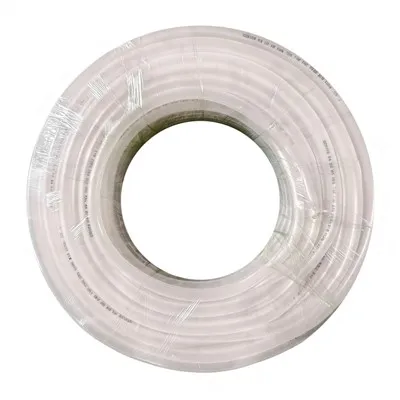
External Physical Damage
One of the most obvious signs of a damaged high pressure hose is external physical damage. This can manifest in several ways:
Abrasion
Abrasion occurs when the hose rubs against rough surfaces or other objects. Over time, this can wear away the outer cover of the hose, exposing the inner layers. If you notice areas where the outer cover is thinning, frayed, or completely worn through, it’s a clear indication that the hose has been subjected to abrasion. This type of damage weakens the hose’s structure and makes it more susceptible to leaks and bursts.
Cuts and Tears
Sharp objects can cause cuts and tears in the hose. These can range from small nicks to large gashes. Even minor cuts can compromise the integrity of the hose, as they can allow contaminants to enter and cause corrosion. Additionally, cuts can act as stress concentrators, increasing the likelihood of the hose failing under pressure.
Blisters and Bulges
Blisters and bulges on the surface of the hose are a sign of internal damage. They can be caused by a variety of factors, including overpressure, chemical degradation, or manufacturing defects. Blisters and bulges indicate that the inner layers of the hose are separating or failing, and the hose should be replaced immediately to prevent a catastrophic failure.
Kinks and Twists
Kinks and twists in the hose can restrict the flow of fluid or gas and cause excessive stress on the hose. This can lead to internal damage, such as delamination of the hose layers or rupture of the inner tube. If you notice kinks or twists in the hose, carefully straighten it to the best of your ability. However, if the damage is severe, it’s best to replace the hose.
Leaks
Leaks are another common sign of a damaged high pressure hose. A leak can occur anywhere along the length of the hose, including at the fittings. There are several types of leaks to be aware of:
Visible Leaks
These are the most obvious type of leaks. You can see fluid or gas escaping from the hose. Visible leaks can range from a slow drip to a high-pressure spray. If you notice a visible leak, it’s important to shut off the system immediately to prevent further damage and potential safety hazards.
Moisture and Condensation
Sometimes, leaks may not be immediately visible. Instead, you may notice moisture or condensation around the hose or fittings. This can be a sign of a small, slow leak. Moisture can also indicate that the hose is not properly sealed or that there is a problem with the fittings.
Pressure Drop
A sudden drop in pressure can be a sign of a leak in the high pressure hose. If you notice that the pressure in your system is lower than normal, it’s important to check the hoses for leaks. You can use a pressure gauge to measure the pressure at different points in the system to pinpoint the location of the leak.
Hose Aging and Deterioration
Over time, high pressure hoses can deteriorate due to a variety of factors, including exposure to heat, chemicals, and UV radiation. Here are some signs of hose aging and deterioration:
Hardening and Brittleness
One of the most common signs of hose aging is hardening and brittleness. The outer cover of the hose may become stiff and lose its flexibility. This can make the hose more prone to cracking and breaking. Hardening and brittleness can be caused by exposure to high temperatures, harsh chemicals, or prolonged use.
Discoloration
Discoloration of the hose can be a sign of chemical degradation or exposure to UV radiation. If the hose has changed color, it may indicate that the material has been damaged and is no longer performing as intended.
Swelling
Swelling of the hose can occur when it comes into contact with certain chemicals or fluids. This can cause the hose to expand and lose its shape, which can lead to leaks and other problems. If you notice that the hose has swollen, it’s important to identify the cause and replace the hose if necessary.
Fitting Issues
The fittings on a high pressure hose are just as important as the hose itself. Here are some signs of fitting issues:
Loose Fittings
Loose fittings can cause leaks and reduce the overall performance of the hose. If you notice that the fittings are loose, you can try tightening them. However, if the fittings continue to come loose, it may be a sign that they are damaged or not properly installed.
Corrosion
Corrosion can occur on the fittings, especially if they are exposed to moisture or chemicals. Corrosion can weaken the fittings and cause them to fail. If you notice signs of corrosion on the fittings, it’s important to replace them as soon as possible.
Damaged Seals
The seals on the fittings are responsible for preventing leaks. If the seals are damaged or worn, they may not be able to provide a proper seal. This can result in leaks and other problems. If you suspect that the seals are damaged, you should replace them immediately.
Importance of Regular Inspections
Regular inspections of high pressure hoses are essential for maintaining their performance and safety. By identifying signs of damage early, you can prevent costly breakdowns and ensure the smooth operation of your equipment. Here are some tips for conducting regular inspections:
- Visual Inspections: Perform visual inspections of the hoses on a regular basis. Look for signs of external physical damage, such as abrasion, cuts, tears, blisters, bulges, kinks, and twists. Check the fittings for signs of looseness, corrosion, and damaged seals.
- Pressure Tests: Conduct pressure tests on the hoses periodically to check for leaks and ensure that they are operating within the specified pressure range.
- Record Keeping: Keep a record of all inspections and maintenance activities. This will help you track the condition of the hoses over time and identify any trends or patterns.
Conclusion
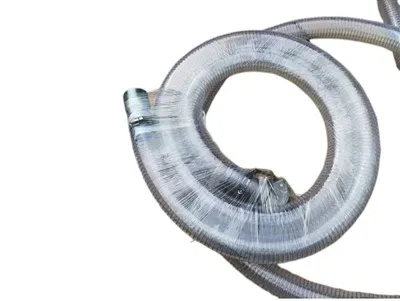
In conclusion, recognizing the signs of a damaged high pressure hose is crucial for maintaining the safety and efficiency of your operations. By being aware of the external physical damage, leaks, hose aging and deterioration, and fitting issues, you can take proactive steps to prevent hose failures and ensure the reliable performance of your equipment.
PVC Steel Wire Hose As a high pressure hose supplier, I understand the importance of providing high-quality products and excellent customer service. If you have any questions or concerns about high pressure hoses or if you are in need of a reliable supplier, please do not hesitate to contact me. We are committed to helping you find the right hoses for your specific needs and providing you with the support and expertise you require.
References
- "High Pressure Hose Handbook" – Industry standard publication on high pressure hoses
- "Maintenance and Inspection Guide for High Pressure Systems" – Technical guide for maintaining high pressure equipment
- "Material Science of High Pressure Hose Components" – Academic research on the materials used in high pressure hoses
Weifang Xinzhiyuan Plastic Co., Ltd.
As one of the most experienced high pressure hose manufacturers and suppliers in China, we offer a wide range of products with superior quality. Please feel free to wholesale premium high pressure hose made in China here from our factory. We also accept customized orders.
Address: No. 700, Tongle Street, Economic Development Zone, Changle County, Weifang City, Shandong Province
E-mail: hua@xzypvchose.com
WebSite: https://www.pvchose-xzy.com/
