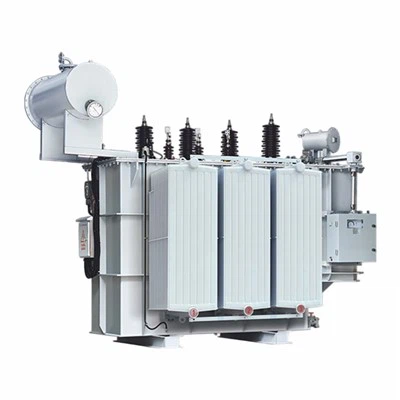
Hey there! As a supplier of substation transformers, I’ve witnessed firsthand how new technology has revolutionized the performance of these vital pieces of equipment. In this blog, I’ll share with you some of the ways that cutting – edge tech has made substation transformers better than ever. Substation Transformer
1. Advanced Monitoring Systems
One of the most significant improvements in substation transformer performance comes from advanced monitoring systems. These days, we’re no longer relying on just basic temperature and pressure gauges. We’ve got smart sensors that can track a whole bunch of things in real – time.
For example, there are sensors that can detect the dissolved gases in the transformer oil. Different types of faults in the transformer can produce specific gases. By analyzing the concentration and composition of these gases, we can figure out if there’s a problem brewing, like an overheated winding or a partial discharge. This early detection is a game – changer. Instead of waiting for a major breakdown, which can be super costly and cause long – term power outages, we can take preventive action.
Moreover, modern monitoring systems can also measure electrical parameters such as voltage, current, and power factor with incredible precision. They can send all this data to a central control room or even directly to our smartphones. This means that we can keep an eye on the transformer’s performance no matter where we are. It’s like having a personal assistant constantly telling us how our transformer is doing.
2. Improved Cooling Technologies
Cooling is a critical aspect of transformer performance. Overheating can lead to reduced efficiency, insulation degradation, and premature failure. New technologies have brought some really cool (pun intended) solutions to this problem.
One of the advancements is the use of more efficient cooling fluids. Traditional transformer oils are still widely used, but new synthetic fluids are becoming more popular. These synthetic fluids have better heat transfer properties and are more environmentally friendly. They can withstand higher temperatures without breaking down, which means the transformer can operate at a higher load capacity without getting too hot.
Another innovation is in the design of cooling systems. For instance, some transformers now use forced – air or forced – oil cooling systems that are more intelligent. These systems can adjust the cooling rate based on the actual operating conditions of the transformer. If the load is low, the cooling system can operate at a lower speed to save energy. But as soon as the load increases and the temperature starts to rise, the system can ramp up to keep the transformer cool.
3. Digital Control and Automation
Digital control and automation have transformed the way substation transformers operate. With the help of microprocessors and advanced software, we can now automate many of the functions that used to be done manually.
For example, digital relays can protect the transformer from overcurrent, overvoltage, and other electrical faults. These relays are much faster and more accurate than their traditional counterparts. They can detect a fault in a fraction of a second and quickly isolate the transformer from the power grid to prevent further damage.
In addition, automation allows us to remotely control the tap changers in the transformer. Tap changers are used to adjust the voltage ratio of the transformer. In the past, changing the taps required someone to physically go to the transformer and make the adjustment. Now, we can do it with just a few clicks on a computer or a mobile device. This not only saves time but also ensures that the voltage adjustment is done accurately and in a timely manner.
4. Enhanced Insulation Materials
Insulation is what keeps the electrical current in the right place and prevents short – circuits in the transformer. New insulation materials have greatly improved the performance and reliability of substation transformers.
For example, some modern transformers use nanocomposite insulation materials. These materials have unique properties that make them more resistant to electrical stress, thermal stress, and moisture. They can also withstand higher temperatures without losing their insulating properties. This means that the transformer can have a longer lifespan and operate more efficiently.
Another development is the use of improved insulation design. Engineers are now able to optimize the insulation layout within the transformer to reduce the risk of partial discharges. Partial discharges can gradually damage the insulation over time, leading to a failure of the transformer. By minimizing these discharges, we can significantly improve the reliability of the transformer.
5. Predictive Maintenance
Predictive maintenance is a concept that has gained a lot of traction in the power industry. Thanks to new technology, we can now predict when a substation transformer is likely to fail and take preventive action before it actually happens.
By collecting and analyzing data from the monitoring systems, we can use machine – learning algorithms to identify patterns and trends. These algorithms can predict things like the remaining useful life of the transformer, the likelihood of a fault occurring, and the optimal time for maintenance.
Predictive maintenance helps us to reduce maintenance costs. Instead of performing routine maintenance at fixed intervals, which may not be necessary, we can schedule maintenance based on the actual condition of the transformer. This also means less downtime for the transformer, which is crucial for maintaining a stable power supply.
How These Improvements Benefit Our Customers
All these technological improvements translate into numerous benefits for our customers. First of all, it means increased reliability. With better monitoring, cooling, and insulation, the chances of a transformer failure are greatly reduced. This results in fewer power outages, which is essential for industries that rely on a continuous power supply, such as manufacturing plants, data centers, and hospitals.
Secondly, there’s improved efficiency. Advanced technologies allow transformers to operate more efficiently, reducing energy losses. This not only saves electricity costs but also helps to contribute to a more sustainable power grid.

Last but not least, predictive maintenance and remote control capabilities mean that our customers can save on maintenance costs and have more control over their transformer operations.
Substation Transformer If you’re in the market for a substation transformer, or if you’re looking to upgrade your existing equipment, I’d love to have a chat with you. These new technologies are not just buzzwords; they’re real – world solutions that can make a big difference in the performance and reliability of your power infrastructure. Don’t hesitate to reach out and start a conversation about how we can meet your specific needs.
References
- "Transformer Engineering: Design, Technology, and Diagnostics" by J. L. Kirtley Jr.
- "Power System Protection" by J. C. Das
- Industry white papers on smart grid technologies and transformer advancements.
Nantong Yawei New Energy Technology Co., Ltd.
As one of the most professional substation transformer manufacturers and suppliers in China, we’re featured by quality products and good service. Please rest assured to wholesale durable substation transformer made in China here from our factory. Customized orders are welcome.
Address: Room 28-101, Building 27 and 28, No.333 Kaiyuan Avenue, Sunzhuang Subdistrict, Hai’an City, Nantong City, Jiangsu Province, China
E-mail: admin@nantongyawei.com
WebSite: https://www.nantongyawei.com/
